Garbage Disposals
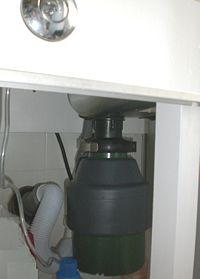
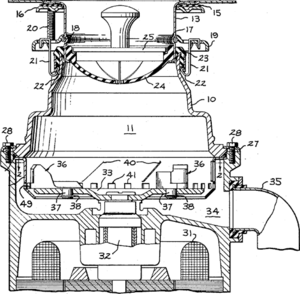
A garbage disposal, waste disposal unit, or garburator/garbarator (Canada) is a device, usually electrically-powered, installed under a kitchen sink between the sink's drain and the trap which shreds food waste into pieces small enough to pass through plumbing. more...
Garbage disposal units are widely used in North America. The European Union does not authorize food waste disposals per EN 12056-1, § 4.6, but countries or counties may do so, which they rarely do. There are regulations on their installation and use in many countries. Some say that sewage treatment plants cannot cope with the extra load of kitchen waste disposal units. However the scientific literature does not give any proof about this.
Many standard disposal units allow a dishwasher to be connected, and some dishwashers are equipped with a small built-in garbage disposal unit, making it unnecessary to scrape plates before washing them.
History
The garbage disposal was invented in 1927 by John W. Hammes. He was an architect working in Racine, Wisconsin. After eleven years of development, his InSinkErator company put his disposer on the market in 1938.
In many cities in the United States the municipal sewage system had regulations prohibiting running food waste (garbage) into the system. InSinkErator spent considerable effort, and was highly successful in convincing many localities to rescind these prohibitions. Many localities mandated the use of disposers. For many years, garbage disposals were illegal in New York City because of a perceived threat of damage to the city's sewer system. The ban was rescinded on September 11, 1997 by local law 1997/071 which amended section 24-518.1, NYC Administrative code. In 2008 the city of Raleigh, North Carolina implemented a ban on the replacement and installation of garbage disposals to the city's sanitary sewer system. This ban also impacts towns that merged systems with Raleigh, including Garner, Rolesville, Wake Forest, Knightdale, Wendell and Zebulon. Violations of this ban can include a civil penalty of up to $25,000 per day and interruption of water and sewer services.
Read more at Wikipedia.org